
Blog
How to Prevent Denture Odor: 7 Simple Tips for Fresher Dentures

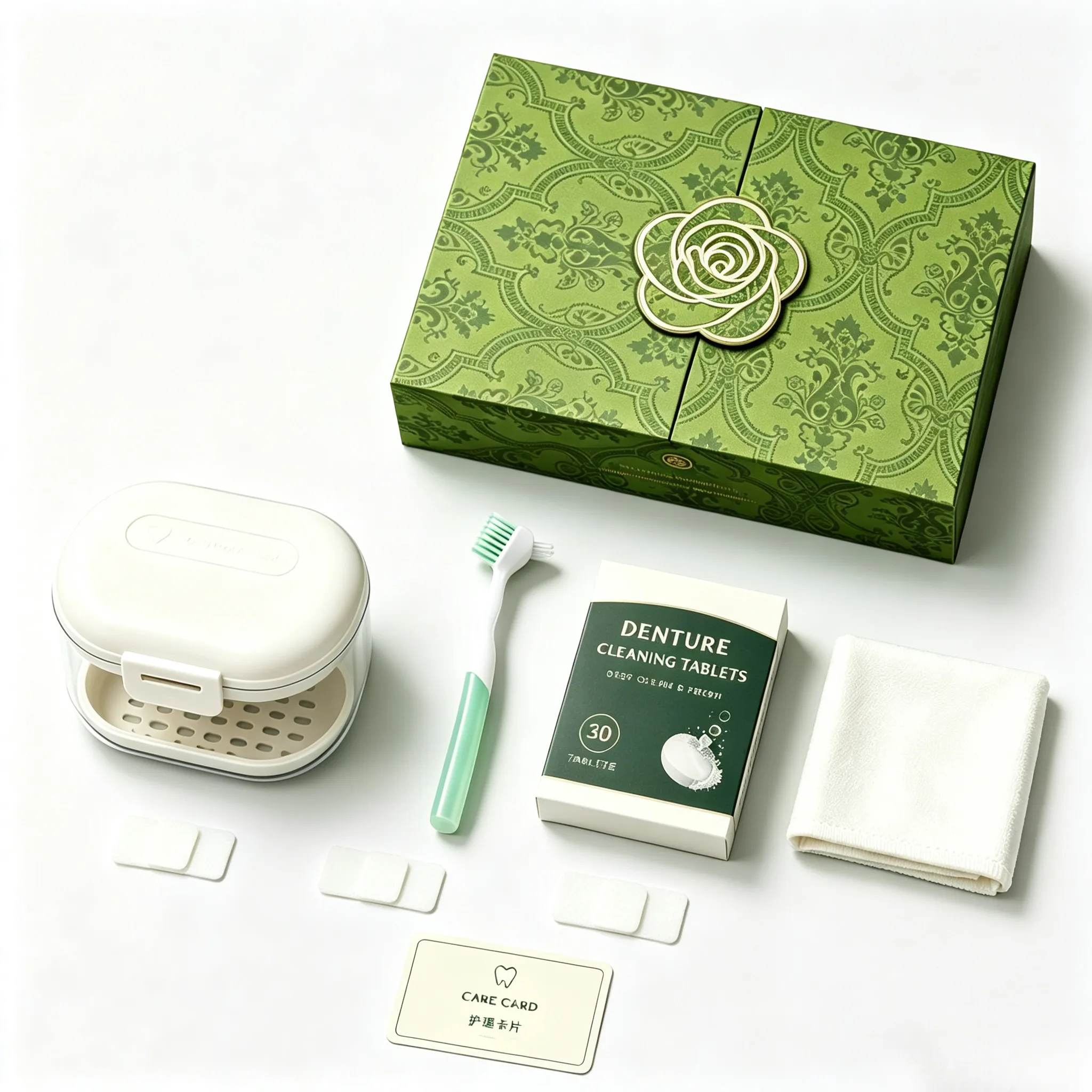
Learning how to prevent denture odor is an important part of caring for removable dentures. Food particles, plaque, bacteria, and cleaning habits can all affect how fresh dentures smell. Fortunately, a simple daily routine can make denture care easier and help keep dentures clean and fresh.
If you wear full or partial dentures, regular cleaning should be part of your everyday routine. The American Dental Association (ADA) recommends cleaning dentures daily and explains that soaking and brushing with an appropriate denture cleanser can help reduce buildup on dentures. Learn more about denture care from the American Dental Association.
Here are seven practical tips to help prevent denture odor and maintain cleaner removable dentures.
1. Clean Your Dentures Every Day
One of the easiest ways to prevent denture odor is to clean your dentures every day.
Dentures can collect food particles, plaque, stains, and other deposits. If these materials remain on the denture surface, they can contribute to unpleasant odors.
Start by removing your dentures carefully. Rinse them with lukewarm water to remove loose food particles. Then gently brush all denture surfaces with a suitable denture cleaner and brush.
The ADA recommends daily denture cleaning because dentures can accumulate plaque, stains, and calculus in a similar way to natural teeth.
A regular cleaning routine is therefore one of the most important steps for keeping dentures fresh.
2. Use a Denture Cleaning Brush
A regular toothbrush may not always be the most convenient option for cleaning removable dentures.
A denture cleaning brush is designed to make it easier to reach different surfaces of a denture. Gentle brushing can help remove food particles and deposits without using excessive force.
Avoid hard-bristled brushes and abrasive household cleaners. They may damage some denture surfaces.
For everyday cleaning, you can use our Denture Cleaning Brush as part of your denture-care routine.
Brush gently and pay attention to areas where food and residue may collect.
3. Soak Dentures When Appropriate
Soaking can also be an important part of a denture cleaning routine.
Depending on the type of denture and cleaning product, soaking may help loosen deposits and reduce unpleasant odors. Always follow the instructions provided by the denture cleanser manufacturer.
The ADA explains that denture cleanser solutions can be used as part of denture care and that soaking can help reduce bacterial load and potentially reduce denture-related odor.
However, denture cleansers should never be used while dentures are inside your mouth.
After soaking, rinse the dentures thoroughly before putting them back in your mouth.
4. Keep Your Denture Cleaning Case Clean
A clean denture needs a clean place to be stored.
If a denture cleaning case is repeatedly used without being rinsed and cleaned, water, residue, and debris may build up inside the container.
A simple solution is to empty the case after use, rinse it thoroughly, and allow it to dry.
Our Denture Cleaning Case provides a convenient place to clean, soak, and store removable dentures.
Keeping the storage container clean can make your overall denture care routine more organized.
5. Do Not Use Hot or Boiling Water
When trying to prevent denture odor, some people may think that very hot water will provide better cleaning.
However, this is not recommended.
The ADA advises that dentures should not be placed in hot or boiling water because excessive heat can cause them to warp.
Instead, follow the instructions for your specific denture and cleaning product. When rinsing your dentures, use an appropriate water temperature and avoid exposing them to unnecessary heat.
Good denture care is about using the right method consistently rather than using stronger or hotter cleaning methods.
6. Store Dentures Properly
Proper storage is another important part of denture care.
When dentures are not being worn, they generally need to remain moist to help maintain their shape. The ADA recommends storing dentures in water or an appropriate denture cleanser solution when they are not being worn, while also following the instructions for the specific denture and cleanser.
If you travel frequently, keeping your denture-care products together can make this routine easier.
A Denture Care Pouch can help organize your denture accessories when you are traveling, working, or staying away from home.
A simple storage routine can also reduce the chance of losing or damaging your dentures.
7. Clean Your Mouth, Not Just Your Dentures
Cleaning the dentures alone is not the whole routine.
When you remove your dentures, you should also pay attention to your mouth. Gently clean your gums, tongue, cheeks, and the roof of your mouth according to your dentist’s recommendations.
The American Dental Association’s MouthHealthy guidance explains that people who wear dentures should continue practicing good oral hygiene even when they have full dentures. See the ADA’s denture hygiene guidance.
This is important because odor may not come only from the denture itself.
A complete routine should therefore include both denture care and oral care.
Can Denture Odor Be Caused by Poor Cleaning?
Yes, poor cleaning can contribute to unpleasant denture odor.
Food particles and plaque can accumulate on removable dentures. If dentures are not cleaned regularly, deposits may build up and create an unpleasant smell.
The ADA notes that daily cleaning helps remove food particles and bacteria and can help prevent dentures from becoming permanently stained.
However, persistent odor should not simply be ignored.
If you continue to experience unusual odor, irritation, soreness, or other problems despite proper cleaning, consider speaking with a dental professional.
What Should You Avoid When Cleaning Dentures?
When trying to keep dentures fresh, stronger cleaning does not always mean better cleaning.
Avoid:
- Hot or boiling water
- Hard-bristled brushes
- Abrasive household cleaners
- Bleach unless specifically recommended for your appliance
- Using denture cleanser inside your mouth
- Excessive scrubbing
- Storing dentures in a dirty container
The Mayo Clinic also recommends avoiding abrasive cleaning materials, bleach, and hot water because these methods may damage dentures. Read the Mayo Clinic’s denture care guide.
Following the correct cleaning method is more important than using a stronger cleaner.
Can an Ultrasonic Cleaner Help With Denture Care?
An ultrasonic cleaner can be another option for people looking for an additional denture-cleaning method.
Ultrasonic cleaning uses high-frequency sound waves in water to help loosen deposits from surfaces. However, you should always check whether the device is suitable for your specific denture before using it.
If you are interested in adding another cleaning option to your routine, you can explore our Denture Ultrasonic Cleaner.
Always follow the manufacturer’s instructions and your dental professional’s recommendations.
A Simple Daily Routine to Prevent Denture Odor
You do not need a complicated routine.
Try this simple schedule:
Morning
- Remove your dentures from their storage solution.
- Rinse them thoroughly.
- Brush them gently with a suitable denture brush.
- Rinse again before wearing.
After Meals
- Rinse your dentures when practical.
- Remove visible food particles.
- Keep your mouth clean as well.
Evening
- Remove your dentures.
- Rinse away loose debris.
- Brush the denture gently.
- Soak it according to the cleanser instructions.
- Clean your storage case.
- Store the dentures properly.
This simple routine can make it easier to maintain cleaner and fresher dentures every day.
When Should You See a Dentist?
Cleaning can help maintain dentures, but it cannot solve every denture problem.
You should contact a dental professional if your dentures:
- Become loose
- Cause repeated irritation or sores
- Crack or break
- No longer fit properly
- Become difficult to wear
- Continue to cause problems despite proper cleaning
The ADA explains that poorly fitting dentures may need professional adjustment, relining, or replacement rather than simply using more denture adhesive.
Regular dental checkups can also help ensure that your dentures and mouth remain healthy.
Final Thoughts
Knowing how to prevent denture odor starts with a consistent daily routine.
Clean your dentures every day, brush them gently, soak them when appropriate, keep your storage case clean, avoid hot water, and store your dentures correctly.
It is also important to clean your mouth and follow professional dental advice.
With the right routine and a few useful denture-care accessories, maintaining fresh and clean removable dentures can become a simple part of everyday life.
Explore the Denture Care Collection at DentureGoods to find practical products for cleaning, storing, and caring for removable dentures.